TURF REMOVAL AND REPLACEMENT
Professional turf removal and replacement in Plano, TX
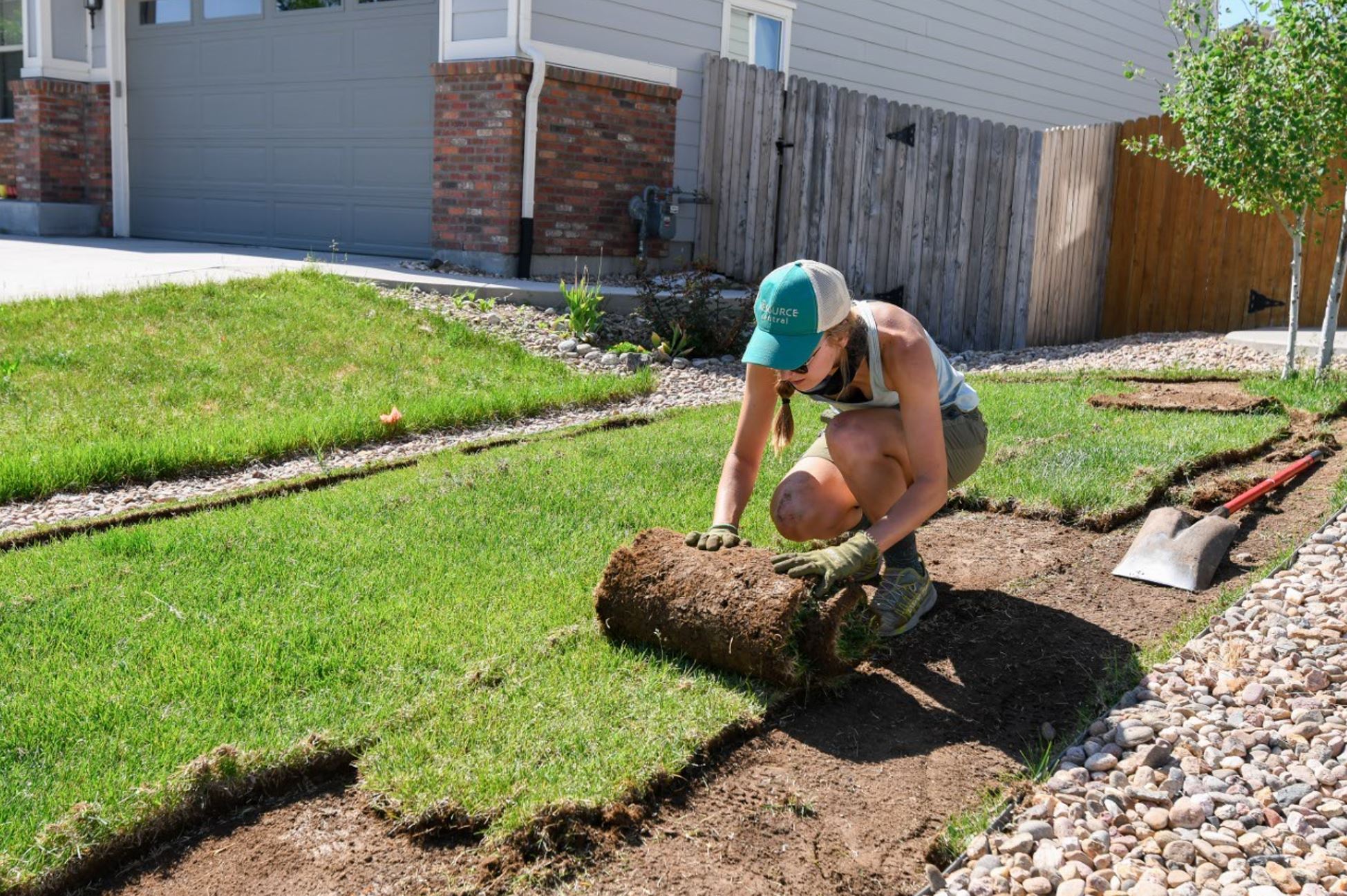
Need to replace old or damaged turf? Our removal and replacement services handle everything from safely removing your existing artificial grass to installing beautiful new turf that will last for years to come.
FEATURES
- -Complete old turf removal
- -Base repair and preparation
- -Eco-friendly disposal options
- -New premium turf installation
- -Minimal disruption to your property
BENEFITS
- -Fresh, like-new appearance
- -Updated turf technology
- -Fixes drainage issues
- -Extends lawn lifespan
- -Improved performance and look
Turf Removal and Replacement in Plano, TX When existing synthetic grass reaches the end of its service life or no longer meets your needs, professional turf removal and replacement restores your outdoor spaces with modern materials and updated design. Our comprehensive service handles every aspect of the process—from old turf removal through new installation—delivering transformed landscapes that leverage the latest advances in synthetic grass technology. ## Old Turf Assessment and Evaluation The first step in replacement projects is understanding the condition of existing installations and identifying opportunities for improvement. ### Condition Evaluation **Age Assessment**: Synthetic grass typically delivers 15-20 years of service. Installations approaching or exceeding this range may benefit from replacement. **Wear Analysis**: High-traffic areas, seam separations, fiber degradation, and infill compaction indicate declining performance. **Aesthetic project feedback**: Fading, matting, and overall appearance degradation affect landscape enjoyment and property values. **Function Assessment**: Drainage problems, odor development, or comfort issues indicate system failures requiring attention. ### Replacement Timing Considerations **Preventive Replacement**: Proactive replacement before complete failure avoids emergency situations and allows planned budgeting. **Opportunity Integration**: Replacement projects can incorporate design changes, additional features, or expanded areas. **Technology Upgrade**: Advances in synthetic grass technology may justify replacement even if existing turf remains functional. **Property Sale Preparation**: Pre-sale replacement enhances curb appeal and eliminates buyer concerns about aging installations. ## Removal Process and Disposal Proper removal requires specialized equipment and knowledge to avoid site damage and ensure environmental responsibility. ### Removal Procedures **Site Protection**: Adjacent landscaping, hardscape, and structures are protected during removal activities. **Cutting and Lifting**: Existing turf is cut into manageable sections and removed using specialized equipment. **Infill Extraction**: Existing infill materials are separated from turf for proper handling and disposal. **Base Preservation**: Existing base materials are evaluated for reuse, minimizing disposal volume and new material requirements. ### Disposal Options **Landfill Diversion**: Where possible, old turf components are diverted from landfills through recycling programs. **Material Separation**: Turf, infill, and base materials are separated to maximize recycling opportunities. **Regulatory Compliance**: All disposal activities comply with local regulations and environmental requirements. **Documentation**: Proper disposal documentation supports coverage details claims and environmental compliance. ## Base Repair and Restoration The foundation beneath your turf significantly affects new installation performance. ### Base Evaluation **Structural Assessment**: Existing base integrity, compaction levels, and drainage function are thoroughly evaluated. **Settling Identification**: Areas of settlement or erosion are identified for correction. **Drainage Analysis**: Existing drainage performance is assessed and improvement opportunities identified. **Grade Verification**: Current grades are checked against optimal specifications for drainage and appearance. ### Restoration Techniques **Compaction Correction**: Under-compacted areas receive additional compaction or material replacement. **Drainage Enhancement**: Additional drainage features address performance issues or chng site conditions. **Grade Adjustment**: Laser-guided grading achieves optimal surface contours for new installation. **Material Replacement**: Degraded base materials are removed and replaced with fresh aggregate. ## When to Replace vs Repair Understanding replacement thresholds helps property owners make informed decisions. ### Repair Appropriate Situations **Localized Damage**: Small areas of damage from specific incidents may be repairable without full replacement. **Seam Issues**: Minor seam separations can often be repaired professionally. **Infill Depletion**: Simple infill replenishment addresses performance issues without system replacement. **Edge Problems**: Perimeter issues can frequently be corrected without complete renovation. ### Replacement Indicated Scenarios **Widespread Wear**: Extensive fiber degradation or matting across large areas indicates end-of-life conditions. **Multiple Failure Points**: When several components show problems simultaneously, replacement is typically more cost-effective than sequential repairs. **Technology Obsolescence**: Older installations may lack features now considered standard or desirable. **Design Changes**: Significant design modifications often make complete replacement more practical than partial renovation. ### Cost-Benefit Analysis **Repair Investment**: Repairs extending life 2-3 years may not justify investment if replacement is imminent. **coverage details Considerations**: New installations carry coverage details while repairs typically don't extend existing coverage. **Performance Expectations**: Repairs may restore function but not achieve performance levels of modern products. **Disruption Factors**: Multiple repairs may cause more cumulative disruption than single replacement project. ## Upgrading to Newer Turf Technology Replacement projects offer opportunities to benefit from technological advances. ### Product Improvements **Fiber Technology**: Newer fibers offer improved durability, color retention, and realistic appearance. **Backing Systems**: Advanced backings provide better drainage, tuft bind, and installation characteristics. **Infill Options**: Expanded infill choices include cooling technologies, antimicrobial properties, and eco-friendly alternatives. **Environmental Advances**: Modern products incorporate more recycled content and sustainable manufacturing. ### Feature Additions **Enhanced Drainage**: Upgraded drainage systems address previous issues or chng site conditions. **Improved Edging**: Modern edge treatments provide better performance and appearance. **Specialized Products**: Pet-specific, playground-certified, or sports-grade products address specific needs. **Design Integration**: Contemporary design approaches create more cohesive, attractive landscapes. ### Performance Enhancements **Comfort Improvements**: Newer products offer softer, more comfortable surfaces underfoot. **Temperature Management**: Heat-reduction technologies help manage surface temperatures. **Odor Control**: Enhanced systems for pet installations provide better hygiene management. **Safety Features**: Playground and sports applications benefit from improved safety characteristics. ## Recycling Old Artificial Grass Environmental responsibility guides modern disposal practices. ### Recycling Programs **Manufacturer Programs**: Some manufacturers offer take-back programs for their products at end-of-life. **Specialized Recyclers**: Companies specifically process synthetic turf components for material recovery. **Local Opportunities**: Regional recycling facilities may accept certain turf components. **Innovation Development**: Emerging technologies improve recycling options for synthetic grass materials. ### Component Separation **Fiber Recovery**: Nylon and polyethylene fibers can be recycled into various products. **Infill Reclamation**: Certain infill materials can be cleaned and reused or recycled. **Backing Processing**: Polypropylene backings enter plastic recycling streams. **Base Material**: Aggregate bases are readily reusable in construction applications. ## Cost Comparison Scenarios Understanding replacement economics helps with planning and decision-making. ### Replacement Investment **Total Project Cost**: Complete replacement includes removal, disposal, base preparation, and new installation. **Efficiency Factors**: Replacing existing installations often proceeds faster than new installations due to established access and known site conditions. **Value Recovery**: New installations restore full functionality and appearance, recovering property value. **Technology Benefits**: Access to current products provides performance advantages over original installation. ### Repair vs Replace Economics **Cumulative Repair Costs**: Multiple repairs over time may exceed replacement investment. **coverage details Value**: New installations carry full coverage details while repairs extend aging systems. **Performance Premium**: New products deliver capabilities unavailable when original turf was installed. **Disruption Consideration**: Single replacement project versus ongoing repair activities. ## Timeline for Replacement Projects Understanding project duration helps with planning and expectation management. ### Project Phases **Assessment and Design**: 1-2 weeks for thorough evaluation and design development. **Material Procurement**: 2-4 weeks for product ordering and delivery. **Removal**: 1-3 days depending on project size and site conditions. **Base Preparation**: 2-5 days for base evaluation, repair, and preparation. **Installation**: 3-10 days for new turf installation and finishing. ### Efficiency Factors **Existing Access**: Established site access often accelerates replacement projects. **Known Conditions**: Familiarity with site conditions eliminates discovery delays. **Streamlined Process**: Experience with similar projects improves efficiency. **Weather Considerations**: North Texas climate allows year-round replacement with appropriate planning. ## Improving Drainage During Replacement Replacement projects offer ideal opportunities to address drainage deficiencies. ### Drainage Enhancement **System Upgrade**: Additional drains, channels, or collection points address performance issues. **Grade Correction**: Laser grading achieves optimal surface contours for water movement. **Base Modification**: Adjusted base construction improves water percolation and movement. **Discharge Improvement**: Enhanced discharge points prevent backing up and pooling. ### Problem Resolution **Wet Area Correction**: Chronically wet areas receive targeted drainage solutions. **Runoff Management**: Improved surface grades channel water appropriately. **Foundation Protection**: Drainage improvements protect adjacent structures from water damage. **Erosion Control**: Proper drainage prevents erosion that affects installation integrity. ## coverage details Transfers and New Coverage Understanding coverage details implications helps maximize protection for replacement investments. ### New Installation coverage details **Product coverage details**: New turf products carry coverage details against defects. **Installation coverage details**: Professional installation includes workmanship coverage. **Performance coverage detailss**: Some coverage details address specific performance characteristics. **Duration Terms**: Typical coverage details range from 8-15 years depending on product grade. ### Documentation Requirements **Installation Records**: Proper documentation supports coverage details claims. **Maintenance Records**: Maintenance history may be required for coverage details validity. **Transfer Provisions**: coverage details transfer options for property sales. **Claim Procedures**: Understanding claim processes ensures coverage availability when needed. ## Getting Started with Turf Replacement Evaluating your existing synthetic grass and planning replacement begins with professional assessment. Our replacement specialists evaluate your current installation, discuss your goals for the new system, and develop comprehensive proposals that address removal, site preparation, and new installation. We handle every aspect of the process, ensuring minimal disruption and maximum value from your investment. Contact us today to schedule your turf replacement assessment and discover how modern synthetic grass can transform your outdoor spaces.
FREQUENTLY ASKED QUESTIONS
How do I know when it's time to replace my synthetic grass?
Signs that replacement may be needed include widespread fiber matting or degradation, seam separations, drainage problems, persistent odors, visible fading, and overall appearance decline. Synthetic grass typically lasts 15-20 years, so age is also a factor. If you're experiencing multiple issues or repairs are becoming frequent, replacement often makes more economic sense than continued maintenance of an aging system.
Can the existing base be reused when replacing turf?
Often, yes. If the existing base is properly compacted, appropriately graded, and shows no signs of settling or erosion, it can frequently be reused. This saves on disposal costs and new material expenses. However, we thoroughly evaluate the base during assessment and will recommend replacement if structural integrity, drainage performance, or grade conditions warrant it.
How long does turf removal and replacement take?
Most residential replacement projects take 1-2 weeks from removal through completion of new installation. The removal phase typically requires 1-3 days, base preparation 2-5 days, and new installation 3-7 days depending on project size. Commercial projects follow similar timelines scaled to project scope. Weather and site access can affect scheduling.
What happens to the old synthetic grass that's removed?
We handle old turf disposal responsibly, separating components when possible for recycling. Some manufacturers offer take-back programs, and specialized recyclers process synthetic turf materials. Infill materials may be reusable or recyclable depending on type. We comply with all environmental regulations and strive to minimize landfill impact through appropriate diversion strategies.
Will replacement fix drainage problems I had with my old turf?
Replacement projects provide ideal opportunities to address drainage deficiencies. We thoroughly assess existing drainage performance and design improvements into the replacement project. This may include grade corrections, additional drainage features, base modifications, or discharge improvements. Proper drainage is essential for new installation performance, so we prioritize resolving any issues during replacement.
READY TO GET STARTED?
Contact us today for a free consultation and estimate for your turf removal and replacement project.
GET A FREE ESTIMATE