PLAYGROUND TURF INSTALLATION
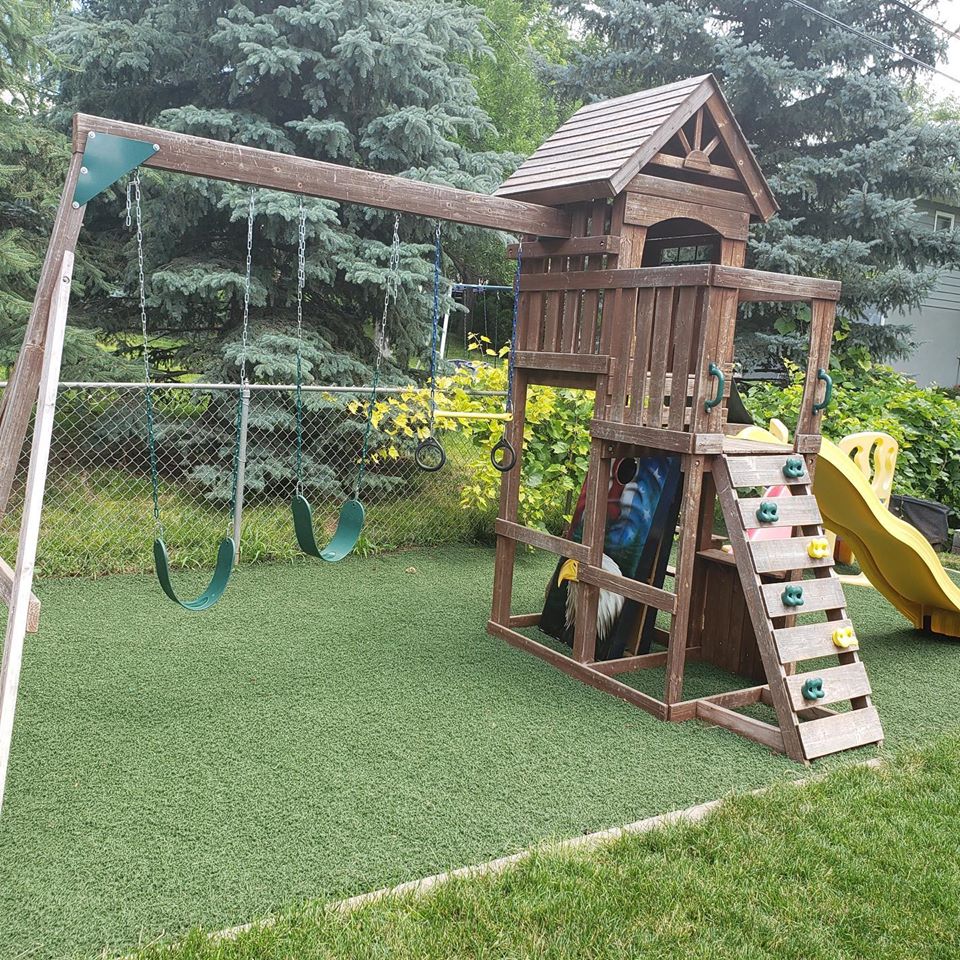
Professional playground turf installation in Plano, TX
Create a safe and fun play environment with our certified playground turf installation. Our impact-absorbing synthetic grass meets safety standards while providing a clean, beautiful surface for children to enjoy.
FEATURES
- -Impact-absorbing padding systems
- -ADA compliant installations
- -Non-toxic and lead-free materials
- -Critical fall height protection
- -Bright, inviting colors available
BENEFITS
- -Safer play surface than natural grass
- -No more scraped knees from hard ground
- -Usable after rain - no mud
- -Reduces allergy triggers
- -Durable against heavy play
Playground Turf Installation in Plano, TX Create safe, beautiful play environments with professional playground turf installation that meets the highest safety standards while providing durable, low-maintenance surfaces for children. Our IPEMA-certified synthetic grass solutions deliver critical fall protection, accessibility compliance, and lasting performance for schools, parks, daycares, and residential play areas throughout Plano. ## Safety Standards and Fall Height Ratings Playground surfaces must protect children from injury during the inevitable falls that occur during active play. Professional playground turf installation ensures appropriate protection through certified products and proper installation techniques. ### Critical Fall Height Requirements **Impact Absorption Standards**: Playground turf systems are tested to determine the maximum fall height they can safely accommodate. This critical fall height (CFH) project feedback indicates the highest point from which a child can fall without serious injury. **Equipment Correlation**: CFH ratings must match or exceed the height of play equipment installed. Slides, climbing structures, and elevated platforms require appropriate surface protection. **Testing Protocols**: Certified playground turf undergoes standardized impact testing using head form accelerometers that measure G-force impacts during simulated falls. **Documentation Requirements**: Installation certificates and test reports verify that surfaces meet required safety standards for liability protection. ### Surface Safety Zones **Use Zone Coverage**: Playground turf must extend beyond equipment use zones to provide protection where falls are most likely to occur. **Transition Safety**: Changes between surface types must be smooth to prevent trip hazards while maintaining appropriate protection levels. **Age-Appropriate Design**: Different age groups require different protection levels, with toddler areas needing more cushioning than zones for older children. **Supervision Sightlines**: Surface designs should facilitate caregiver supervision while maintaining safety characteristics. ## IPEMA Certification Requirements The International Play Equipment Manufacturers Association (IPEMA) provides third-party certification that playground surfaces meet established safety standards. ### Certification Process **Independent Testing**: IPEMA-certified products undergo testing by independent laboratories that verify compliance with ASTM and CPSC standards. **Standard Compliance**: Certification confirms adherence to ASTM F1292 for impact attenuation and ASTM F3351 for accessibility. **Ongoing Verification**: Manufacturers submit to periodic retesting and quality audits to maintain certification status. **Public Verification**: IPEMA maintains public databases of certified products that specifiers and inspectors can reference. ### Benefits of Certification **Liability Protection**: Certified installations demonstrate due diligence in providing safe play environments. **Insurance Compliance**: Many liability insurance policies require or provide discounts for certified playground surfaces. **Specification Confidence**: Certification eliminates uncertainty about product performance and safety claims. **Regulatory Acceptance**: Certified products satisfy most jurisdiction requirements without additional testing or documentation. ## Critical Fall Height and Impact Absorption Understanding fall protection helps specifiers select appropriate playground turf systems. ### Fall Height Calculations **Equipment Height Measurement**: Critical fall height is determined by the highest accessible point on play equipment from which a child could fall. **Impact Threshold**: ASTM F1292 establishes maximum 200 G peak and 1000 HIC (Head Injury Criterion) values for acceptable impact attenuation. **Surface Thickness Correlation**: Greater pad or turf thickness generally provides higher fall protection, though material density also affects performance. **Age Considerations**: Younger children have lower centers of gravity and different fall patterns than older children, affecting protection requirements. ### Impact Attenuation Systems **Padded Underlayment**: Shock-absorbing pads installed beneath turf provide primary impact protection for falls. **Integrated Systems**: Some playground turf products incorporate cushioning within the turf structure itself. **Layered Construction**: Multiple material layers work together to dissipate impact forces progressively. **Drainage Integration**: Impact attenuation systems must maintain performance when wet from rain or cleaning. ## Padded Underlayment Options The underlayment system determines much of a playground turf installation's safety performance. ### Foam Padding Systems **Polyethylene Foam**: Closed-cell foam pads provide consistent impact absorption with good durability and drainage characteristics. **Polyurethane Foam**: Higher-density foam options offer increased durability for high-traffic commercial applications. **Cross-Linked Polyethylene**: Advanced foam chemistry provides superior resilience and longevity. **Variable Density**: Some systems use multiple foam densities to optimize protection and cost. ### Alternative Underlayment Materials **Rubber Padding**: Recycled rubber underlayment provides excellent impact absorption with environmental benefits. **Cork-Based Systems**: Natural cork materials offer sustainable impact protection options. **Hybrid Systems**: Combinations of materials optimize performance, cost, and sustainability characteristics. **Custom Solutions**: Specialized underlayment systems address unique site conditions or performance requirements. ### Thickness Selection **Protection Requirements**: Underlayment thickness is selected based on required critical fall height protection. **Equipment Correlation**: Typical installations use 1-3 inch padding depending on play equipment height. **Performance Balance**: Thicker padding provides more protection but may affect accessibility and surface characteristics. **Installation Considerations**: Pad thickness affects overall project grades and edge transitions. ## ADA Accessibility Compliance Playground surfaces must accommodate children with disabilities as required by the Americans with Disabilities Act. ### Surface Requirements **Firmness and Stability**: Accessible routes must provide surfaces that are firm and stable enough for wheelchair navigation. **Slip Resistance**: Surface characteristics must provide appropriate traction for mobility devices and pedestrians. **Smooth Transitions**: Changes between surface types must not create barriers for wheelchairs or other mobility aids. **Maintenance of Access**: Surfaces must maintain accessibility characteristics throughout their service life. ### Accessible Route Design **Route Width**: Accessible routes must meet minimum width requirements for wheelchair passage. **Slope Limitations**: Maximum slopes and cross-slopes ensure wheelchair navigability. **Edge Protection**: Route edges must prevent wheelchair wheels from slipping off surfaces. **Connection Points**: Accessible routes must connect all accessible play components within the playground. ### Testing and Verification **Rotational Penetrometer**: ASTM F1951 testing measures surface firmness and stability using rotational penetrometer equipment. **Report Documentation**: Test reports verify compliance and support inspection requirements. **Installation Certification**: Professional certification confirms that installations meet accessibility standards. **Ongoing Compliance**: Surfaces must maintain accessibility characteristics through proper maintenance. ## Non-Toxic and Lead-Free Materials Children's health requires that all playground materials be completely safe for contact and incidental ingestion. ### Material Safety Standards **Lead Content Limits**: All materials must meet federal lead content limits (100 ppm for accessible surfaces). **Heavy Metal Testing**: Comprehensive testing ensures no hazardous heavy metals are present in any component. **Chemical Safety**: Materials must not contain phthalates, formaldehyde, or other hazardous chemicals. **Off-Gassing Control**: VOC emissions must meet health-based standards for enclosed or semi-enclosed spaces. ### Certification Documentation **Third-Party Testing**: Independent laboratory testing verifies material safety claims. **Certificate of Compliance**: Manufacturers provide documentation of safety standard compliance. **Traceability**: Material sourcing and production documentation supports quality claims. **Ongoing Monitoring**: Quality systems ensure continued compliance throughout production. ## Heat Reduction Technologies Texas heat presents challenges for playground surfaces that manufacturers address through technology. ### Heat Management Strategies **Color Selection**: Lighter turf colors absorb less solar radiation than dark green alternatives. **Infill Optimization**: Specialized infill materials reduce heat absorption and retention. **Cooling Additives**: Some products incorporate heat-reflective additives that reduce surface temperatures. **Hydration Systems**: Optional misting systems can provide temporary cooling during extreme heat. ### Temperature Considerations **Surface Temperature Limits**: Quality products maintain surface temperatures within safe ranges for children's bare skin contact. **Shade Integration**: Shade structures significantly reduce surface temperatures and extend usable hours. **Usage Scheduling**: Morning and evening play periods naturally avoid peak temperature times. **Supervision Guidelines**: Caregivers should monitor surface temperatures and child comfort during hot weather. ## Drainage for All-Weather Play Effective drainage ensures playground availability following rain and simplifies maintenance. ### Drainage System Design **Permeable Construction**: Quality playground turf allows rapid water penetration at rates exceeding 30 inches per hour. **Base Drainage**: Properly prepared aggregate bases channel water away from play areas quickly. **Grade Design**: Strategic grading prevents pooling while maintaining accessible surface characteristics. **Clean Water Discharge**: Drainage systems direct water to appropriate discharge points without contamination. ### All-Weather Performance **Quick Drying**: Rapid drainage allows playground use soon after rainfall ends. **Mud Elimination**: Synthetic surfaces eliminate mud that creates mess and safety hazards on natural grass. **Consistent Conditions**: Playground availability isn't affected by weather conditions that damage natural surfaces. **Maintenance Reduction**: Drainage systems reduce puddling and standing water that require manual removal. ## Maintenance for High-Use Areas Playgrounds require regular maintenance to preserve safety and appearance. ### Routine Maintenance Tasks **Debris Removal**: Regular clearing of leaves, trash, and foreign objects maintains safety and appearance. **Surface Inspection**: Visual inspection identifies damage, wear, or displacement requiring attention. **Infill Management**: Periodic brushing maintains even infill distribution and surface characteristics. **Sanitization**: Appropriate cleaning protocols maintain hygiene in high-use areas. ### Periodic Deep Maintenance **Impact Testing**: Annual impact testing verifies continued compliance with fall protection requirements. **Infill Replenishment**: Top-dressing maintains appropriate infill depths and performance characteristics. **Repair Attention**: Prompt repair of damaged areas prevents injury hazards and extends system life. **Professional Service**: Comprehensive maintenance services ensure optimal performance and compliance. ## Residential vs Commercial Playground Specs Different applications require different approaches to playground turf installation. ### Residential Considerations **Lower Traffic**: Home playgrounds typically experience less concentrated use than commercial facilities. **Supervision Levels**: Higher adult-to-child ratios allow different safety considerations than public playgrounds. **Equipment Scale**: Residential play structures are typically smaller with lower fall heights. **Aesthetic Integration**: Residential installations emphasize visual integration with home landscaping. ### Commercial Requirements **Durability Emphasis**: Commercial installations prioritize maximum durability for heavy public use. **Code Compliance**: Public facilities face more stringent regulatory and inspection requirements. **Liability Protection**: Enhanced documentation and certification support liability risk management. **Vandalism Resistance**: Materials and installation techniques address potential vandalism concerns. ### Specification Differences **Product Selection**: Commercial applications typically specify heavier-duty products than residential installations. **Pad Thickness**: Higher-traffic areas may receive additional padding for enhanced durability. **Installation Methods**: Commercial installations use more robust installation techniques for longevity. **coverage details Terms**: Commercial applications receive appropriate coverage details coverage for intensive use. ## Getting Started with Playground Turf Creating safe, beautiful play environments begins with understanding your specific requirements and constraints. Our playground specialists assess your site, equipment, and usage patterns to design certified installations that meet all safety standards while providing durable, attractive play surfaces. We handle all aspects from design through certification, ensuring worry-free play environments. Contact us today to schedule your playground assessment and discover how certified synthetic turf can enhance your play environment.
FREQUENTLY ASKED QUESTIONS
What is IPEMA certification and why is it important?
IPEMA (International Play Equipment Manufacturers Association) certification provides third-party verification that playground surfaces meet established safety standards. This independent certification confirms products have been tested by accredited laboratories and comply with ASTM and CPSC requirements. IPEMA certification provides liability protection, insurance compliance, and assurance that your playground surface will perform as specified for child safety.
How thick should playground padding be under the turf?
Playground padding thickness depends on the height of your play equipment and required critical fall height protection. Typical installations use 1-3 inches of foam or rubber padding beneath the turf. Higher equipment requires thicker padding. We conduct impact testing during design to specify appropriate padding thickness that meets safety standards for your specific equipment configuration.
Is playground turf ADA accessible?
Yes, quality playground turf systems meet ADA requirements for accessible surfaces when properly installed. Certification includes ASTM F1951 testing that verifies surfaces are firm and stable enough for wheelchair navigation while providing necessary impact protection. Accessible routes connecting play components must maintain appropriate slopes and surface characteristics throughout the playground.
How hot does playground turf get in Texas sun?
Like any outdoor surface, playground turf warms in direct sun, but modern products incorporate heat reduction technologies. We specify lighter colors, specialized infills, and installation techniques that help manage surface temperatures. Shade structures significantly reduce heat and are highly recommended for Texas playgrounds. Morning and evening play periods naturally avoid peak temperatures.
How long does playground turf last?
Quality playground turf installations typically deliver 10-15 years of service with proper maintenance. Commercial-grade products designed for heavy use provide longer lifespans than residential applications. Regular maintenance including infill management, cleaning, and prompt repairs maximizes service life while maintaining safety compliance throughout the installation's life.
READY TO GET STARTED?
Contact us today for a free consultation and estimate for your playground turf installation project.
GET A FREE ESTIMATE