PET TURF INSTALLATION
Professional pet turf installation in Plano, TX
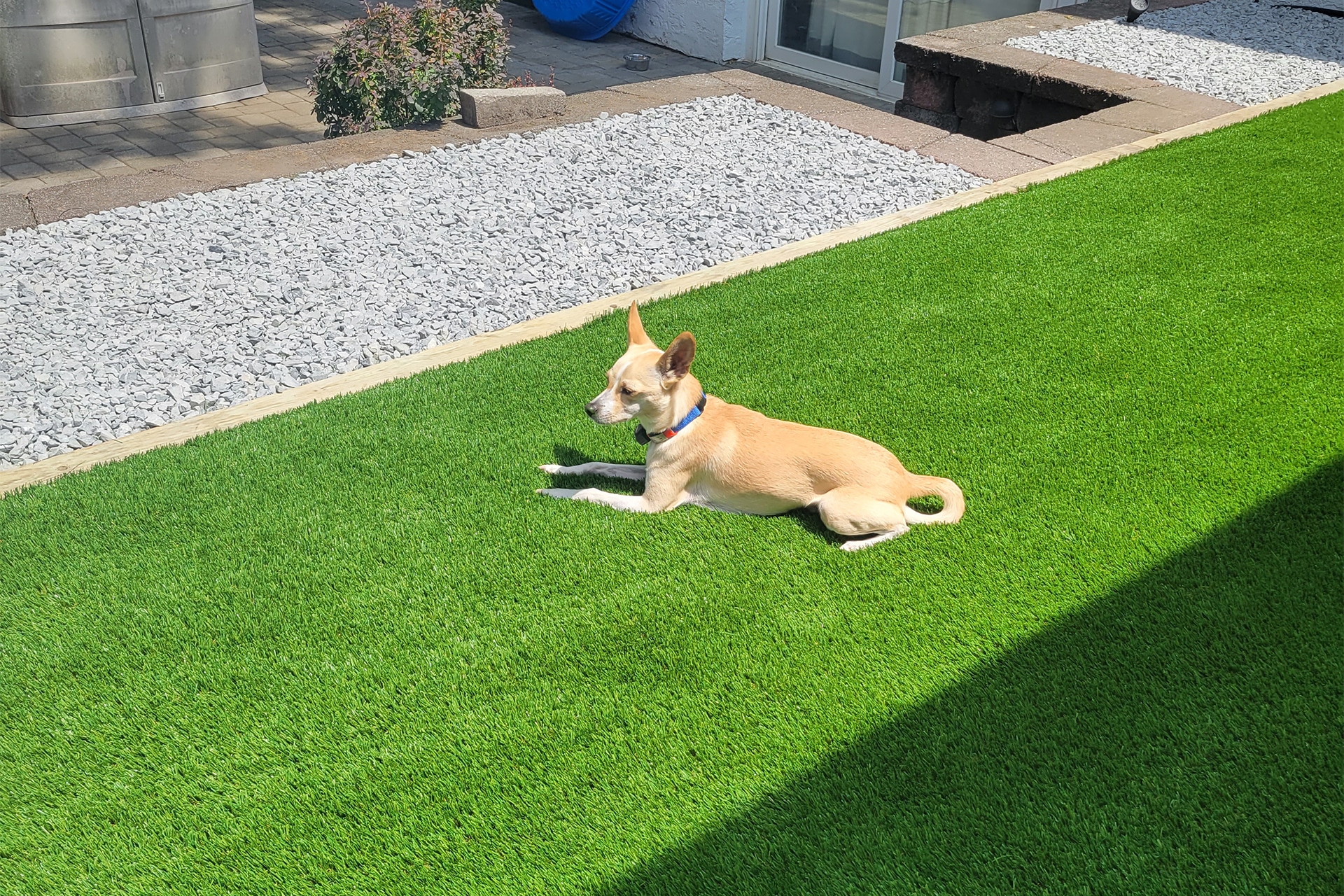
Give your furry friends a safe, clean, and durable outdoor space with our specialized pet turf installation. Our pet-friendly synthetic grass is designed to withstand heavy use while staying odor-free and easy to clean.
FEATURES
- -Antimicrobial infill options
- -Superior drainage for pet waste
- -Durable against digging and wear
- -Easy to clean and maintain
- -Non-toxic and pet-safe materials
BENEFITS
- -No more muddy paws in the house
- -Eliminates yellow grass spots
- -Reduces odors with proper drainage
- -Safe and comfortable for pets
- -Stays green despite heavy use
Pet Turf Installation in Plano, TX Create the perfect outdoor environment for your furry family members with specialized pet turf installation designed specifically for the unique challenges of dog ownership in Plano. Our pet-specific synthetic grass solutions combine durability, hygiene, and comfort to provide safe, clean spaces where pets can play without destroying your lawn or creating maintenance headaches. ## Pet-Specific Turf Products and Features Pet ownership presents unique challenges for landscaping that standard synthetic grass products aren't designed to address. Specialized pet turf incorporates features that ensure lasting performance, hygiene, and odor control in high-use dog areas. ### Advanced Drainage Systems Pet turf features enhanced drainage capacity that handles the concentrated liquid waste dogs produce: **High-Flow Backing**: Specially designed perforated backing allows rapid drainage at rates exceeding 40 inches per hour—significantly higher than standard residential turf. **Permeable Construction**: Every component from fibers to base materials is selected for maximum liquid permeability, preventing pooling or saturation. **Gravity Flow Design**: Installation techniques ensure optimal grades that promote natural drainage without low spots where problems develop. **Rapid Recovery**: Advanced drainage allows surfaces to dry quickly after cleaning or rain, maintaining comfortable conditions for pets. ### Fiber Technology for Pet Applications **Enhanced Durability**: Pet-specific fibers withstand the additional wear from running, digging, and scratching that dogs create. **Antimicrobial Integration**: Fibers incorporate antimicrobial agents that inhibit bacterial growth from pet waste, supporting hygiene and odor control. **Quick-Dry Surfaces**: Specialized fiber shapes and materials promote rapid drying after cleaning or liquid exposure. **Soft Comfort**: Despite enhanced durability, pet turf maintains soft, comfortable surfaces that are gentle on paws and suitable for rolling and playing. ## Antimicrobial and Odor-Resistant Infill The infill system is crucial for pet turf performance, providing both physical support and hygiene management. ### Zeolite-Based Infill **Ammonia Neutralization**: Natural zeolite minerals absorb and neutralize ammonia from pet urine—the primary source of pet area odors. **Cation Exchange**: Zeolite's molecular structure traps odor-causing compounds rather than merely masking them. **Rechargeable Performance**: Occasional watering recharges zeolite's odor-absorbing capacity, maintaining effectiveness over time. **Natural Safety**: As a natural mineral, zeolite is completely safe for pets even if ingested in small amounts during play. ### Specialized Pet Infill Options **Silica Sand with Treatment**: High-purity silica sand treated with antimicrobial agents provides economical pet area performance. **Organic Options**: Coconut fiber and other organic infills offer natural odor control with environmental benefits. **Coated Infill**: Specially coated infill particles resist bacterial attachment and simplify cleaning protocols. **Blended Systems**: Custom infill blends combine materials optimized for specific pet applications and owner preferences. ## Drainage for Pet Waste Management Effective waste management distinguishes professional pet turf installations from problematic DIY projects. ### Liquid Waste Handling **Immediate Penetration**: Quality pet turf allows urine to pass through immediately, preventing surface accumulation. **Base Layer Management**: Properly prepared base materials distribute liquid waste for natural soil absorption or directed drainage. **Evaporation Enhancement**: Installation designs promote air circulation that aids evaporation and surface drying. **Cleaning Compatibility**: Drainage systems accommodate regular rinsing and cleaning without saturation or standing water. ### Solid Waste Management **Surface Design**: Pet turf surfaces facilitate easy solid waste removal without fiber damage or staining. **Cleaning Access**: Installation layouts provide access for regular cleaning and maintenance activities. **Disposal Integration**: Designs can accommodate waste disposal stations or convenient access to trash removal. **Hygiene Maintenance**: Surface characteristics support sanitization protocols that maintain pet health and owner comfort. ## Durability Against Digging and Wear Dogs create unique wear patterns that pet turf must withstand. ### Digging Resistance **Secure Edging**: Professional installation includes robust edge restraints that prevent dogs from accessing edges to dig. **Fiber Resilience**: Pet-specific fibers maintain structure and appearance despite scratching and paw friction. **Base Stability**: Compacted base construction resists displacement from digging attempts. **Seam Strength**: Professional seaming techniques prevent separation even if dogs focus attention on specific areas. ### Traffic Pattern Durability **High-Traffic Formulations**: Pet turf products designed for kennels and dog parks withstand concentrated activity. **Fiber Density**: Higher stitch counts and denser construction resist crushing from repeated pet traffic. **Infill Retention**: Specialized infill systems resist displacement from running, turning, and playing activity. **Recovery Characteristics**: Quality fibers recover from compression, maintaining appearance despite heavy use. ## Cleaning and Sanitization Methods Proper maintenance ensures pet turf remains hygienic and odor-free. ### Regular Cleaning Protocol **Solid Waste Removal**: Daily pickup of solid waste prevents decomposition and odor development. **Surface Rinsing**: Periodic hosing removes residues and refreshes surfaces, particularly after heavy use periods. **Spot Cleaning**: Enzyme-based cleaners address specific areas requiring additional attention. **Debris Removal**: Regular clearing of leaves, twigs, and foreign objects maintains appearance and hygiene. ### Deep Sanitization **Enzyme Treatments**: Commercial enzyme products break down organic matter and control odor development. **Antimicrobial Applications**: Periodic antimicrobial treatments maintain bacterial control between regular cleanings. **Steam Cleaning**: Professional steam cleaning services provide deep sanitization for heavily used areas. **Infill Recharge**: Replenishing or replacing infill restores odor-control capacity and surface performance. ## Non-Toxic Materials for Pet Safety Pet turf must be completely safe for animals that will contact, play on, and potentially ingest small amounts of material. ### Material Safety Standards **Lead-Free Certification**: All components meet or exceed California Prop 65 standards for lead content. **Chemical Safety**: No toxic chemicals, heavy metals, or harmful substances in any turf component. **Infill Safety**: All infill materials are non-toxic and safe for pet contact and incidental ingestion. **Off-Gassing Prevention**: Quality products minimize VOCs and chemical odors that might affect sensitive pets. ### Comfort Considerations **Paw-Friendly Surfaces**: Fiber selection ensures comfortable surfaces that don't irritate or damage sensitive paw pads. **Temperature Management**: Product selection and installation techniques help manage surface temperatures for pet comfort. **Traction Safety**: Surface characteristics provide appropriate traction that prevents slips and injuries during play. **Allergy Considerations**: Synthetic materials don't harbor pollens or allergens that affect sensitive pets. ## Separate Pet Area vs Full Yard Options Pet owners have choices about how to integrate synthetic grass for pet use. ### Dedicated Pet Areas **Containment Benefits**: Designated pet areas concentrate wear and waste management in manageable zones. **Custom Features**: Separate areas can include specialized drainage, cleaning stations, and shade structures. **Training Advantages**: Defined spaces support housetraining and behavior management. **Home Protection**: Concentrating pet activity away from primary living spaces protects other landscape investments. **Size Flexibility**: Pet areas can be sized appropriately for the number and size of pets. ### Full Yard Installations **Freedom of Movement**: Pets enjoy access to entire property without restrictions. **Unified Aesthetics**: Consistent synthetic grass throughout maintains cohesive landscape design. **Maximum Play Space**: Unrestricted areas accommodate active dogs and multiple pets. **Entertainment Integration**: Pet-friendly surfaces support gatherings that include both human and animal guests. **Property Value**: Comprehensive installations maximize return on investment and property enhancement. ### Hybrid Approaches **Zone Integration**: Combining dedicated pet areas with general lawn spaces optimizes function and aesthetics. **Transition Design**: Thoughtful transitions between pet zones and general areas maintain visual flow. **Usage-Based Allocation**: High-use pet areas receive specialized products while general areas use standard specifications. **Future Flexibility**: Designs can accommodate chng pet ownership or additional pets over time. ## Indoor Pet Turf Applications Synthetic grass extends pet-friendly environments indoors. ### Indoor Applications **Training Stations**: Indoor turf areas support housetraining for puppies or dogs with medical needs. **Senior Dog Comfort**: Soft, accessible surfaces provide comfortable relief areas for aging pets. **Apartment Solutions**: Balcony and patio installations create outdoor relief areas for urban pets. **Kennel and Daycare Facilities**: Indoor turf supports commercial pet care operations. ### Indoor Installation Considerations **Odor Control**: Enhanced ventilation and specialized cleaning systems manage indoor odor concerns. **Drainage Solutions**: Indoor installations require specialized drainage collection and management systems. **Subfloor Protection**: Appropriate base materials protect underlying floors from moisture and damage. **Cleaning Access**: Indoor designs facilitate regular maintenance and deep cleaning protocols. ## Common Pet Turf Myths Debunked Misconceptions about synthetic grass for pets prevent many owners from enjoying its benefits. ### Myth: Synthetic Grass Gets Too Hot for Pets **Reality**: While all surfaces warm in direct sun, quality pet turf with appropriate infill remains comfortable for pets. Light rinsing provides temporary cooling, and shade structures create comfortable play areas during peak heat. ### Myth: Pet Waste Damages Synthetic Grass **Reality**: Unlike natural grass that dies from pet waste, synthetic turf is completely unaffected by pet urine. Proper drainage and cleaning keep surfaces hygienic and odor-free. ### Myth: Synthetic Grass Harbors Bacteria **Reality**: Antimicrobial fibers and infill, combined with proper cleaning, create more hygienic environments than natural grass that harbors bacteria, parasites, and pests. ### Myth: Pets Won't Use Synthetic Grass **Reality**: Dogs readily adapt to synthetic grass for elimination and play. The surface texture and appearance appeal to dogs, and appropriate training ensures successful transition. ### Myth: Synthetic Grass Looks Fake **Reality**: Modern pet turf products are visually indistinguishable from natural grass at typical viewing distances. Many visitors won't recognize synthetic grass without close inspection. ## Training Tips for Pets on Artificial Grass Successful transition to synthetic grass requires appropriate training approaches. ### Introduction Strategies **Gradual Transition**: Introduce pets to synthetic grass gradually, using positive reinforcement for appropriate use. **Scent Transfer**: Transferring scents from previous elimination areas to synthetic grass helps dogs recognize appropriate locations. **Consistent Schedule**: Maintaining regular elimination schedules supports successful training on new surfaces. **Supervised Sessions**: Initial use should be supervised to ensure appropriate behavior and provide immediate feedback. ### Reinforcement Techniques **Positive Association**: Treats, praise, and play create positive associations with synthetic grass areas. **Routine Establishment**: Consistent routines help pets understand expectations and locations. **Patience During Transition**: Allow time for pets to adjust, particularly for animals with established habits. **Professional Support**: Professional trainers can provide guidance for challenging transitions. ## Getting Started with Pet Turf Installation Creating the ideal outdoor environment for your pets begins with understanding your specific situation and goals. Our pet turf specialists assess your property, discuss your pets' needs and behaviors, and design customized solutions that provide lasting performance and enjoyment. We understand the unique requirements of dog ownership in Plano and create installations that enhance life for both pets and their owners. Contact us today to schedule your pet turf consultation and discover how synthetic grass can transform your pet ownership experience.
FREQUENTLY ASKED QUESTIONS
How do I clean pet waste from synthetic grass?
Cleaning pet waste from synthetic grass is straightforward. Solid waste is picked up and disposed of normally—actually easier than on natural grass since there's no grass to sift through. Liquids drain through the turf automatically. For enhanced hygiene, periodic rinsing with water and occasional application of enzyme cleaners keeps the surface fresh. The antimicrobial infill helps control odors between cleanings.
Will my dog be able to tell the difference between synthetic grass and real grass?
Most dogs readily accept synthetic grass for elimination and play. The texture and appearance are similar enough that dogs typically adapt quickly, especially with positive reinforcement during transition. Some owners report that dogs actually prefer synthetic grass because it stays clean and doesn't have the wet, muddy conditions that natural grass develops.
Is synthetic grass safe for my pets?
Yes, quality pet turf is completely safe for animals. All materials are non-toxic and lead-free, meeting stringent safety standards. The antimicrobial properties actually create more hygienic environments than natural grass, which can harbor parasites, bacteria, and pests. The soft surfaces are comfortable for paws and suitable for all pet activities.
How do you prevent odors in pet turf installations?
Odor prevention relies on multiple strategies: specialized drainage that prevents liquid accumulation, zeolite infill that absorbs and neutralizes ammonia, antimicrobial fibers that inhibit bacterial growth, and proper installation that facilitates cleaning. Regular maintenance including rinsing and enzyme treatments maintains freshness. Quality installations prevent odor problems rather than just masking them.
What if my dog likes to dig?
While no surface is completely dig-proof, professional pet turf installation includes features that discourage and withstand digging. Secure edging prevents access to edges where dogs often start digging. The compacted base resists displacement, and quality seaming prevents separation. For persistent diggers, combining turf with designated digging zones or increased exercise can redirect the behavior.
READY TO GET STARTED?
Contact us today for a free consultation and estimate for your pet turf installation project.
GET A FREE ESTIMATE